
Ensure your pets' health and happiness by understanding and managing common parasites like fleas, ticks, and worms.
Learn about identification, prevention, and treatment strategies to keep your furry friends safe and parasite-free.
Parasite Management for Cats and Dogs

-
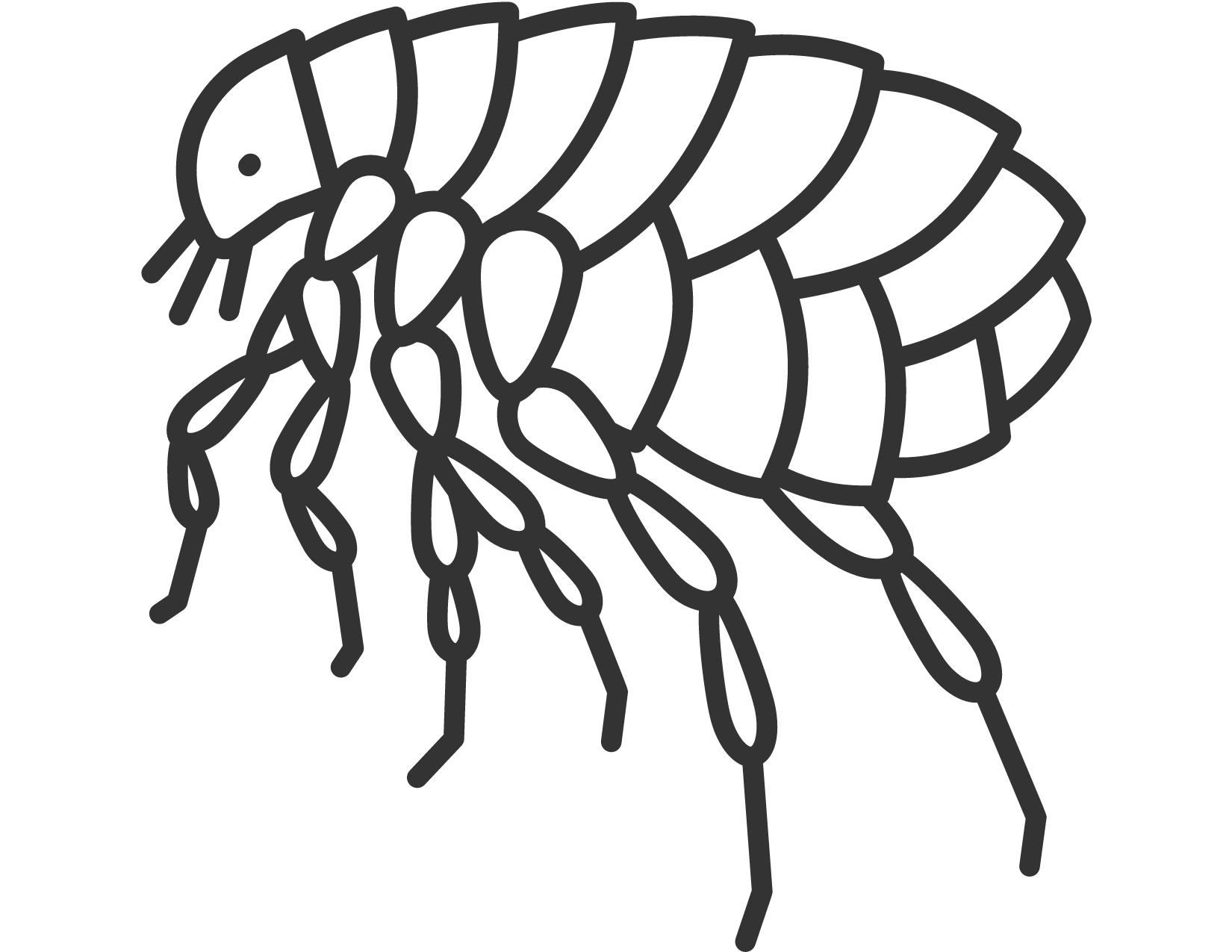
Fleas:
Pets can be exposed to fleas through direct contact with infested animals or environments. Fleas thrive in warm, humid conditions and are commonly found in outdoor areas such as yards, parks, and wooded areas. They can also be introduced into the home through infested bedding, carpets, or furniture. Additionally, pets may pick up fleas from other animals they encounter during walks or interactions at grooming facilities.
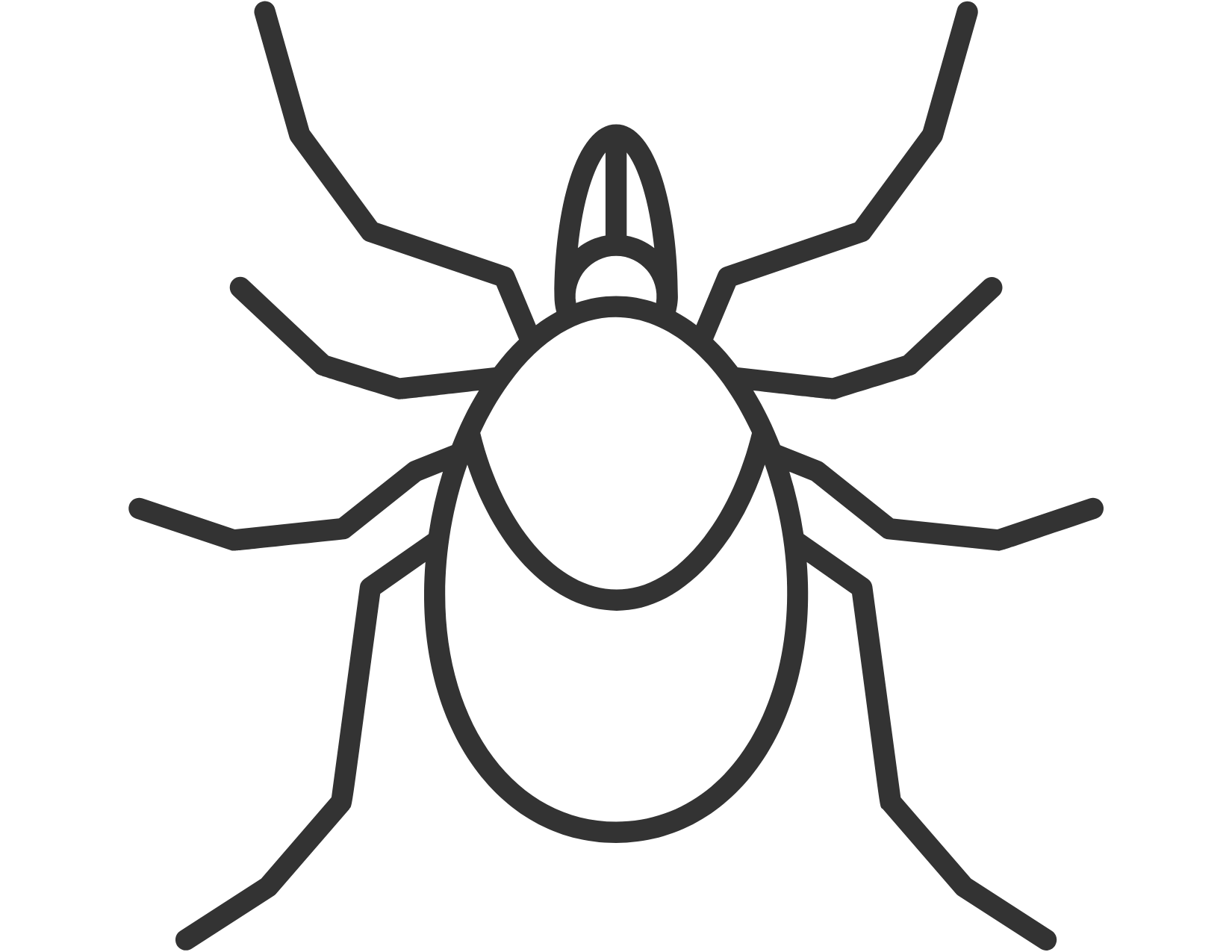
Ticks:
Pets are typically exposed to ticks in outdoor environments where these parasites reside, such as grassy areas, forests, and shrubbery. Ticks attach themselves to passing animals, including dogs and cats, by questing - waiting on vegetation for a host to pass by. They then latch onto the pet's skin, feeding on their blood. Ticks can also be carried into the home by pets, where they may attach to humans and other animals.
Worms:
Pets can become exposed to worms through various routes, including ingestion of contaminated food or water, ingestion of infected prey (such as rodents), and contact with contaminated soil or faeces. In some cases, worms can also be transmitted from mother to offspring during pregnancy or nursing. Outdoor exploration and interaction with other animals increase the risk of worm exposure for pets.
-
Fleas
The lifecycle of a flea consists of four stages: egg, larva, pupa, and adult. Flea eggs are laid on the host animal but can also fall off into the environment. In favorable conditions, such as warmth and humidity, the eggs hatch into larvae, which feed on organic debris and flea feces. The larvae then spin cocoons and enter the pupal stage. After a period of time, adult fleas emerge from the pupae and seek out a host to feed on.
Ticks
Ticks have a four-stage lifecycle: egg, larva, nymph, and adult. Female ticks lay eggs in the environment, usually in leaf litter or vegetation. These eggs hatch into larvae, which seek out a host for their first blood meal. After feeding, the larvae molt into nymphs, which then seek another host for their second blood meal. After feeding again, nymphs molt into adults. Adult ticks then find a host, feed, and mate. Female adults then lay eggs, completing the lifecycle.
Worms
The lifecycle of parasitic worms can vary depending on the species, but generally involves stages such as egg, larva, and adult. For example, roundworms typically lay eggs in the host's intestine, which are then passed out in the feces. These eggs can then be ingested by another host, where they hatch into larvae and migrate to various tissues or organs. Over time, larvae develop into adult worms, which produce eggs and continue the cycle. Similar lifecycles exist for other common worms like tapeworms and hookworms, with variations in egg transmission, larval migration, and host specificity.
-
Fleas
Excessive scratching, licking, or chewing, especially around the base of the tail, neck, or groin area.
Red or irritated skin, often accompanied by small red bumps or scabs.
Hair loss or thinning of the fur, particularly in areas where fleas congregate.
Flea dirt, which appears as dark specks or granules on the skin or in the pet's bedding. This is actually flea feces composed of digested blood.
Allergic reactions in some pets, resulting in more severe itching, inflammation, or even skin infections.
Ticks
Visible ticks attached to the skin, particularly in areas with less fur such as the ears, neck, or between the toes.
Skin irritation or inflammation at the site of attachment.
In some cases, localized swelling or a small bump may develop around the tick bite.
Signs of tick-borne diseases may also manifest, such as fever, lethargy, lameness, joint pain, or neurological symptoms. However, these symptoms may take time to appear after a tick bite.
Worms
Changes in appetite, such as increased hunger or loss of appetite.
Weight loss or failure to thrive, despite a normal diet.
Vomiting or diarrhea, which may contain worms or worm segments in some cases.
Visible worms or worm segments in the feces or around the anal area.
Lethargy or weakness, particularly in severe infestations.
Abdominal discomfort or bloating, sometimes accompanied by visible swelling of the abdomen.
Changes in coat quality or appearance, such as a dull or scruffy coat.
-
Fleas
Topical treatments: These are applied directly to the pet's skin, usually between the shoulder blades, and provide ongoing protection against fleas. For example, spot-on treatments.
Oral medications: These are pills or chewable tablets that are ingested by the pet and circulate in the bloodstream, killing fleas when they bite. Some oral medications also prevent flea eggs from hatching.
Environmental control: This involves treating your home and outdoor areas with flea sprays, foggers, or powders to eliminate fleas and their eggs from the environment. Vacuuming and washing pet bedding regularly can also help.
Ticks
Tick prevention products: Similar to flea preventatives, there are topical treatments, oral medications, and collars available that repel and kill ticks. These products often provide protection against multiple types of ticks.
Veterinary care: In cases of tick-borne diseases, such as Lyme disease or ehrlichiosis, we may prescribe antibiotics or other medications to treat the infection. Supportive care may also be provided to manage symptoms.
Worms
Deworming medications: There are various types of dewormers available, including oral tablets, liquids, and spot-on treatments, which are effective against different types of intestinal parasites. These medications work by either killing the worms outright or paralyzing them, allowing them to be expelled from the body.
Routine faecal exams: Regular faecal testing by your vet can detect the presence of intestinal parasites and inform appropriate treatment strategies. This is especially important for puppies and kittens, who may require multiple deworming treatments as they grow.
Preventative measures: Along with deworming medications, preventing re-infestation is key to managing worms in pets. This includes practicing good hygiene, such as promptly disposing of pet feces, and minimizing exposure to contaminated environments, such as areas with high parasite loads - woodlands, marshy areas.
Multi-pet Households: If yours is a home for both cat and dogs, ensure that all pets are treated for parasites to prevent re-infestation and spreading.
-
Fleas
Regularly treat your pets with flea preventatives recommended by your veterinarian.
Vacuum your home frequently, paying close attention to areas where your pets spend time.
Wash your pet's bedding, toys, and other items in hot water regularly to kill flea eggs and larvae.
Keep your yard tidy by mowing the lawn and removing leaf litter, which can harbor flea larvae.
Consider using flea control products, such as sprays or foggers, in your home and yard if flea infestations occur.
Ticks
Check your pets for ticks regularly, especially after they've been outdoors in areas where ticks are common.
Use tick preventatives recommended by your veterinarian to protect your pets from tick bites.
Wear long sleeves and trousers, and use insect repellents containing DEET or permethrin when hiking or spending time in wooded areas.
Create a tick-safe zone around your home by keeping grass and vegetation trimmed and removing brush and leaf piles.
Remove ticks from your pets and yourself promptly and properly using fine-tipped tweezers.
Worms
Administer deworming medications to your pets as recommended by your veterinarian.
Practice good hygiene, such as washing your hands after handling pets and their feces, to minimize the risk of worm transmission.
Dispose of pet feces promptly and properly, especially in areas where children play.
Avoid feeding your pets raw meat or wild-caught prey, which may harbor worm eggs or larvae.
Schedule regular check-ups and fecal exams for your pets to monitor for signs of worm infestations and ensure prompt treatment if necessary.
Discover our range of effective parasite prevention treatments to keep your pets protected!
We stock spot-on treatments such as Bravecto, Bravecto Plus, and Prinovox, offering long-lasting protection against fleas, ticks, and worms. For convenient and reliable protection, consider Pestigon for fleas and ticks or Simparica tablets specifically for dogs. Additionally, we provide oral worming solutions with Milpro and Milbemax tablets, ensuring comprehensive parasite control for your furry companions.